Understanding Stress Why the Mind Becomes Overloaded
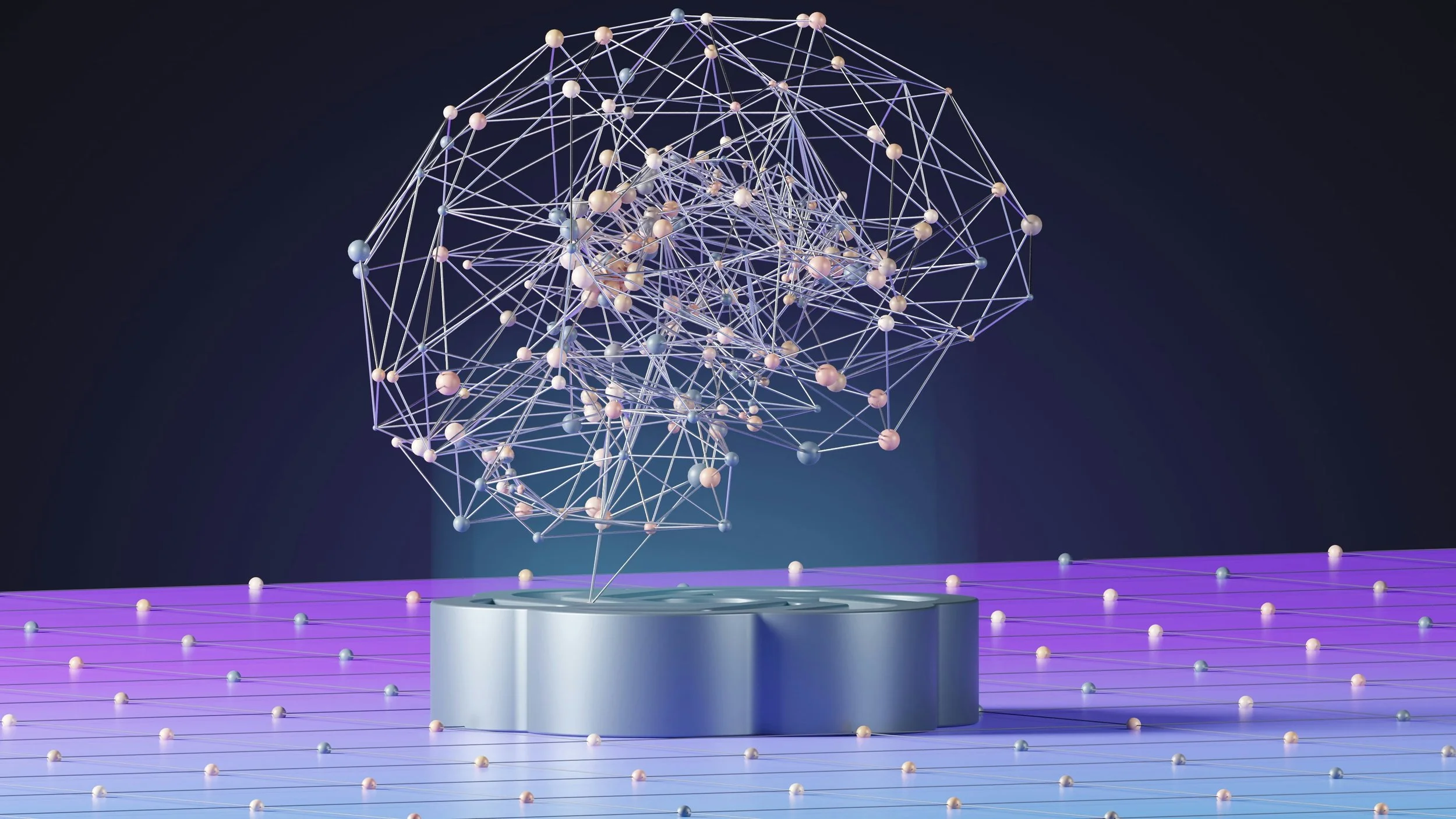
How unmet emotional needs and overused mental resources create stress
Hello I’m Lee Allison a trainee Human Givens therapist based in Jersey Channel Islands. Welcome to the next blog which is all about why we get stressed. It happens to all of us but if we have the right skills and knowledge it becomes easily manageable. .
Stress is often described as a busy lifestyle or too many responsibilities, but in reality it’s something more specific. Stress occurs when the demands placed on us exceed our ability to meet our emotional needs using our available resources. In other words, stress isn’t simply about workload it’s about the relationship between pressure and the mind’s capacity to cope.
From a biological perspective, stress activates the fight or flight response, a survival system designed to protect us from danger. When the brain perceives threat or pressure, it releases hormones such as cortisol and adrenaline, increasing alertness, heart rate, and energy levels. In short bursts, this response is helpful, it prepares us to deal with challenges. However, when stress becomes chronic, this system stays switched on for too long, which can lead to fatigue, anxiety, irritability, sleep disturbance, and difficulty concentrating. Harvard Health provides a useful overview of this stress response - click here
The Human Givens approach explains stress through the lens of unmet emotional needs. If our needs for security, control, meaningful activity, connection, or rest are consistently blocked, the brain begins to interpret everyday life as a persistent challenge or threat. For example, someone who feels trapped in a job with no autonomy may experience ongoing stress because their need for control and achievement is not being met. Similarly, someone lacking emotional support may experience stress because their need for connection and attention remains unfulfilled. The Human Givens Institute outlines these emotional needs in more detail here.
Another key factor is the misuse of our innate resources. The same abilities that help us solve problems imagination, memory, and pattern recognition can sometimes amplify stress. Imagination can turn into constant worrying about the future, memory can replay past mistakes, and pattern recognition can make us expect the worst. When these mental resources become trapped in negative loops, the brain remains in a heightened state of alertness.
Reducing stress therefore involves two key steps: restoring balance in emotional needs and helping the mind use its resources more effectively. This might involve improving sleep, strengthening supportive relationships, creating a sense of purpose through meaningful activity, or learning techniques that calm the nervous system such as relaxation and guided imagery.
A great way to bring about calm and clarity is to practice breathing. We use a technique called 7/11 breathing. Using your belly and (not your upper chest), breathe in for 7, purse your lips and breathe out for 11. If this is too difficult you can try 4/7 or 6/10. The main take away is that the out breath must always be longer. This stimulates our parasympathetic nervous system, our rest and digest state. It signals to our brain and body that everything is OK. Maybe try a few rounds and see how it helps you to relax.
Reflection:
This week, ask yourself two questions: Which emotional need feels most under pressure right now? and Which mental resource might be unintentionally making the situation worse?
Simply recognising these patterns can often be the first step toward reducing stress.
If you would like to book a free 20min discussion to discuss your mental health then please feel free to contact me.
— Lee Allison
References
Human Givens Institute – Emotional Needs
https://www.hgi.org.uk/resources/healthy-living/emotional-needsHarvard Health Publishing – Understanding the Stress Response
https://www.health.harvard.edu/staying-healthy/understanding-the-stress-responseSapolsky, R. (2004). Why Zebras Don’t Get Ulcers: The Acclaimed Guide to Stress, Stress-Related Diseases, and Coping.
